


July 22, 2022
Knee Osteoarthritis (Knee Osteoarthritis)

What is it?
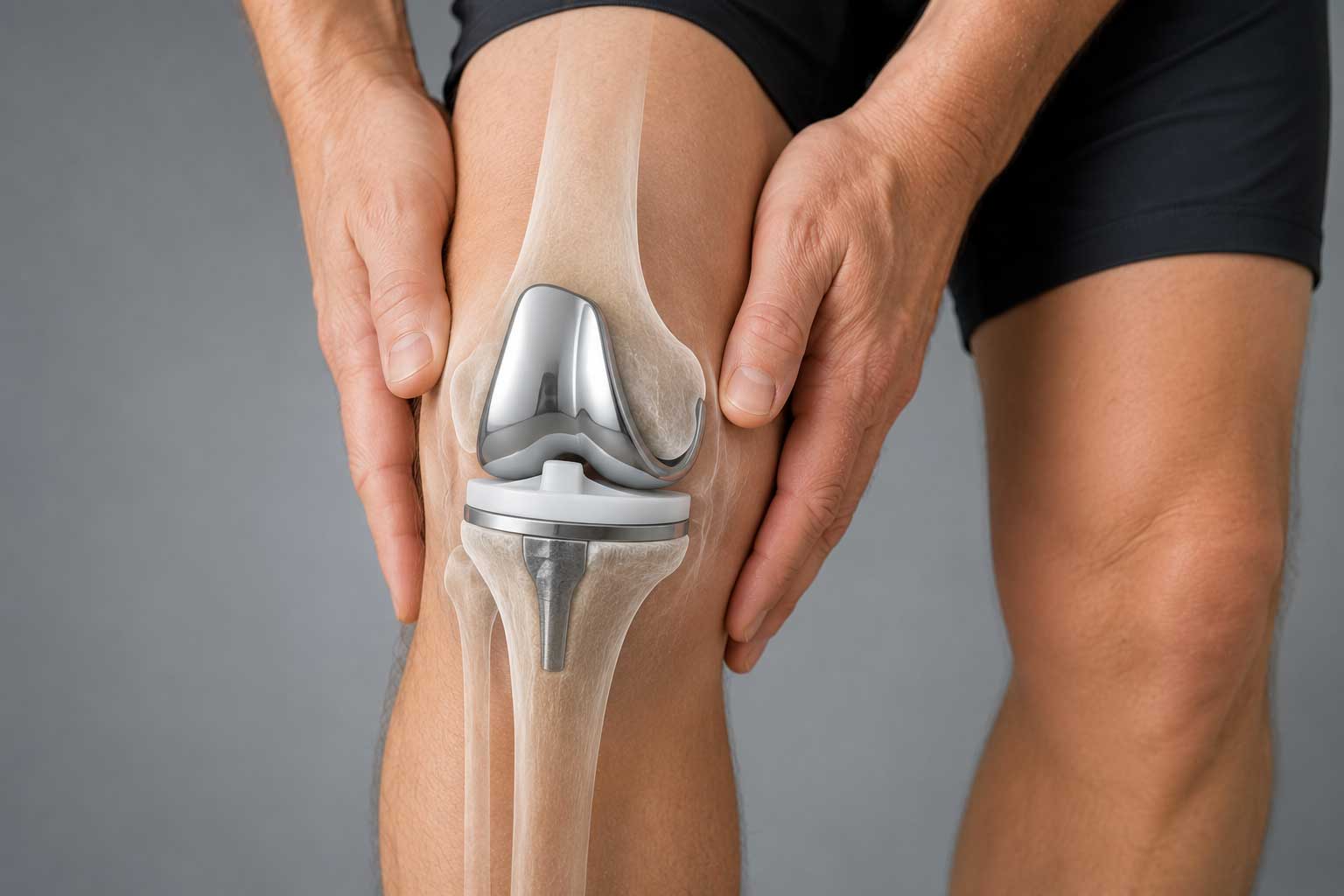
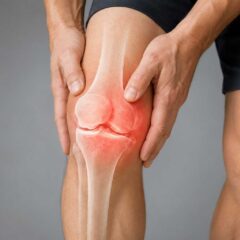
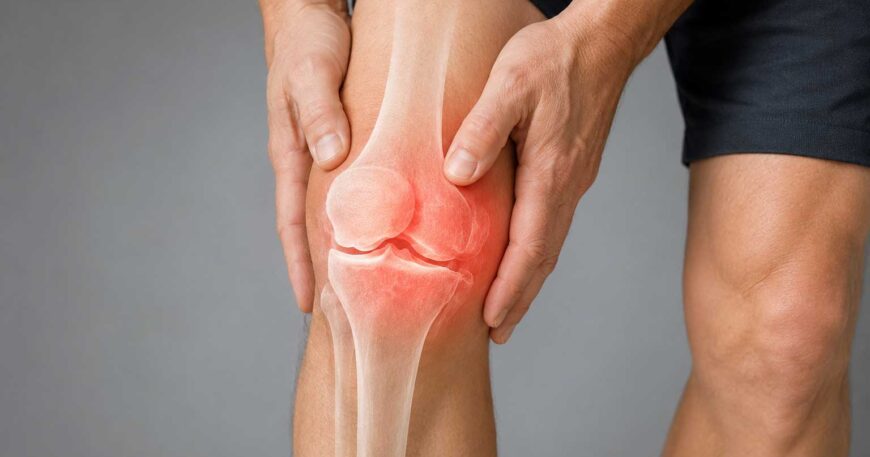
Knee osteoarthritis (also known as degenerative arthritis of the knee) is a chronic condition in which the cartilage of the knee joint gradually wears away, causing pain and restricted range of motion in the knee.
What are the symptoms?
- Knee pain
- Stiffness (especially in the morning or after rest)
- Swelling (Edema)
- Reduced movement
- Sound during movement (“crack”)
What are the causes?
- Age (more common in older individuals)
- Excess weight
- Previous injuries or surgeries to the knee
- Intense strain (e.g., sports or heavy labor)
- Heredity
What is the treatment?
Treatment is divided into conservative and surgical. Usually, conservative treatment of symptoms is initially attempted. However, if the desired result is not achieved, then surgical treatment is performed.
What is conservative treatment?
- Weight loss
- Physiotherapy & exercises
- Painkillers / anti-inflammatories
- Knee injections: steroids, plasma (PRP), hyaluronic acid, stem cells
Knee Osteoarthritis (Knee Osteoarthritis)
What are the differences between the above injections?
- Corticosteroid injections (cortisone)
- How they work: They reduce inflammation within the joint and quickly relieve pain.
- Advantages: Suitable for pain “flare-ups” and quick relief.
- Disadvantages: The effect can last from a few weeks to several months. They do not contribute to cartilage regeneration.
- Hyaluronic acid injections
- How they work: They “lubricate” the joint and improve smooth movement.
- Advantages: Long duration of action.
- Disadvantages: They do not work equally well for everyone and take a little longer to act (a few weeks). They do not contribute to cartilage regeneration.
- PRP (Platelet-Rich Plasma) or Plasma
- How it works: We take blood, process it, and inject it into the knee, preserving the growth factors that will help in cartilage regeneration.
- Advantages: Natural method of cartilage regeneration.
- Disadvantages: Results vary from person to person.
- Biological treatments (e.g., stem cells)
- How they work: The goal is tissue regeneration and cartilage repair.
- Advantages: Recent research shows that they have better results in treating knee arthritis and contribute more to cartilage regeneration compared to PRP.
- Disadvantages: More expensive treatment.
What is the surgical treatment?
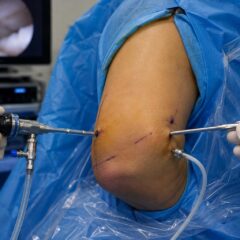
- Knee Arthroscopy:
- Joint debridement.
- Attempted cartilage repair.
- Treatment of concomitant meniscal tears (a common finding in knee osteoarthritis).
- Knee Osteotomy:
- Indicated for young patients and in cases where the knees are “bowed” or “knock-kneed”.
- An attempt is made to straighten and offload the affected part of the knee.
- Unicompartmental Knee Replacement:
- Also known as Partial Knee Replacement.
- Indicated in cases where pain and arthritis are limited to the medial side of the knee.
- Involves the replacement of only the medial side of the knee with a metallic prosthesis.
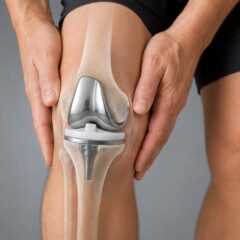
- Total Knee Replacement:
- A timeless and widely adopted solution.
- Involves the complete replacement of the knee joint with metallic prostheses.
Related Posts